How to Make Vanilla Essence: A Complete Guide
6/9/20265 min read
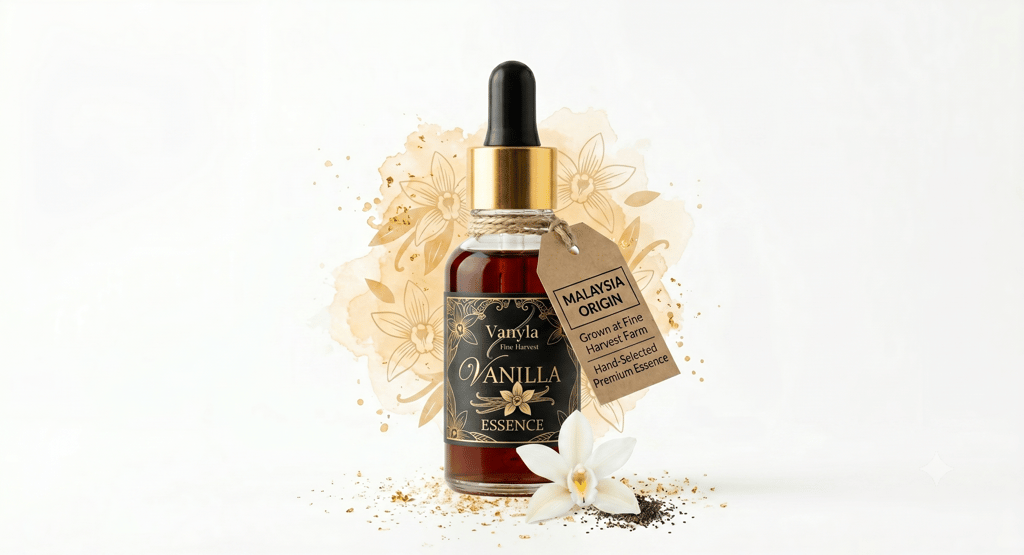
What is Vanilla Essence and Why Make Your Own?
Vanilla essence, often regarded as a staple ingredient in both cooking and baking, is a concentrated flavoring derived from the vanilla bean. It serves to enhance the flavor profile of a multitude of dishes, ranging from cakes and cookies to savory sauces and beverages. Unlike vanilla extract, which is made through a specific extraction process involving alcohol, vanilla essence is typically synthetically produced or extracted from flavor compounds. This results in a product that may lack the depth and complexity of flavor offered by pure vanilla extracts.
Making your own vanilla essence at home presents a number of advantages over commercially available products. One significant benefit is cost-effectiveness; purchasing vanilla beans and making your essence can yield a higher volume of product at a fraction of the price of store-bought options. Furthermore, homemade vanilla essence allows for customization in flavor intensity. By adjusting the steeping time or the number of beans used, you can create a vanilla essence that perfectly matches your personal taste preferences.
Another compelling reason to make your own vanilla essence is the quality of the ingredients. Many store-bought vanilla essences contain artificial additives and preservatives, which can detract from the pure vanilla flavor. By crafting your own essence, you ensure that you are using high-quality vanilla beans without any unnecessary additives. This not only elevates the taste of your culinary creations but also aligns with a growing consumer preference for natural and organic ingredients. In conclusion, making your own vanilla essence is a rewarding endeavor that offers economic, flavorful, and health-conscious benefits, making it an excellent choice for any home cook or baker.
Ingredients Needed for Homemade Vanilla Essence
Creating homemade vanilla essence requires a few essential ingredients that contribute to its distinctive flavor and aroma. The primary ingredient is, of course, vanilla beans. There are several varieties of vanilla beans that can be used, each offering unique flavor profiles. Madagascar vanilla beans are the most commonly used due to their rich, creamy flavor. Other options include Tahitian vanilla beans, which are known for their floral notes, and Mexican vanilla beans, offering a more complex and spiced flavor. Selecting high-quality vanilla beans is crucial, as they significantly impact the final product.
In addition to vanilla beans, a base alcohol is necessary to extract the flavors from the beans. Vodka is a popular choice due to its neutral flavor, allowing the vanilla to shine through. However, for those seeking a richer taste, rum can be used as an alternative, lending deeper undertones to the essence. The choice of alcohol largely depends on personal preference and the intended use of the vanilla essence.
While vanilla beans and alcohol are the primary ingredients, there are optional ingredients that can elevate the essence's flavor. For example, a small amount of sugar can be added to provide sweetness, enhancing the overall taste. Additionally, some prefer to include a dash of pure almond extract, which can add a pleasant nutty aroma to the vanilla essence. Lastly, it's advisable to use a clean glass bottle for storage, preferably dark glass, to protect the essence from light and prolong its shelf life. By ensuring all these ingredients are on hand, anyone can create a delightful homemade vanilla essence that elevates any culinary creation.
Step-by-Step Guide to Making Vanilla Essence
Creating vanilla essence at home is a straightforward process that requires minimal ingredients and equipment. The following step-by-step guide will lead you through making your own vanilla essence, allowing you to enjoy a rich and aromatic flavor in various culinary applications.
Begin by gathering your essential ingredients: quality vanilla beans and a suitable alcohol base. While vodka is the most commonly used, you may also consider rum or bourbon for a unique flavor profile. The general guideline for the ratio is to use 5-6 whole vanilla beans per cup of alcohol. This ratio ensures a robust infusion, which is critical for achieving maximum flavor.
Next, prepare the vanilla beans by slicing them lengthwise. This extraction process exposes the flavorful seeds within. If you prefer a more potent essence, you can chop the beans into smaller pieces. Place the prepared beans into a clean glass container, ensuring that the container is large enough to allow for the addition of alcohol.
Once the beans are added, pour in the alcohol of your choice, covering the beans completely. Secure a tight-fitting lid on the container to prevent any evaporation. It is important to store the container in a cool, dark place, as light and heat can negatively impact the infusion process.
The time required for proper infusion typically ranges from 2 months to 6 months. During this period, it is advisable to give the bottle a gentle shake every week or so to encourage the flavors to meld. After the infusion period, you can strain the liquid through a coffee filter or cheesecloth to remove any particulate matter, resulting in a smooth vanilla essence.
By following these steps, you can easily create your homemade vanilla essence, which can be utilized in baking, cooking, or even as a delightful addition to beverages.
Creative Uses for Vanilla Essence in Cooking and Baking
Vanilla essence is a versatile ingredient that can enhance the flavor profile of a wide array of dishes. Whether you are baking sweets or preparing savory meals, the rich and aromatic taste of vanilla can transform your culinary creations. One of the most popular uses for homemade vanilla essence is in desserts such as cakes, cookies, and puddings. For example, adding a teaspoon of vanilla essence to the batter of a chocolate cake not only complements the cocoa but also creates a depth of flavor that elevates the overall taste.
Beyond traditional sweets, vanilla essence can also be incorporated into beverages. Consider enhancing your morning coffee with a couple of drops of vanilla; this simple addition can provide a delightful twist. Likewise, homemade vanilla essence can be introduced into smoothies or milkshakes for an extra layer of flavor. You may even experiment with vanilla in cocktails, where it pairs beautifully with fruits and spices.
In savory dishes, vanilla essence can work surprisingly well. For instance, adding a hint of vanilla to sauces, marinades, or dressings can introduce a subtle sweetness, balancing flavors in a savory context. A grilled chicken marinade with olive oil, garlic, and a splash of vanilla essence can yield a unique taste profile that surprises and delights the palate.
When considering substitutions, if you find yourself without vanilla essence, vanilla extract can serve as a suitable option, although it may be slightly less concentrated in flavor. Additionally, pairing vanilla essence with complementary flavors, such as almond, cinnamon, or citrus, can create exciting culinary combinations. The key is to use it judiciously so that its aromatic nuances shine without overpowering other ingredients.
In conclusion, the uses for homemade vanilla essence are numerous, offering opportunities for creativity in both baking and cooking. By exploring these various applications, one can enhance the richness of their meals, making them not only more flavorful but also more enjoyable.